As melhores opções para quem quer
investir em arte
Comece agoraTransforme arte em rentabilidade real
Curadoria especializada
A Hurst seleciona obras de arte com potencial de valorização, baseando-se em análises de mercado, histórico de leilões e relevância artística.
Diversificação alternativa
Investir em arte oferece uma correlação baixa com o mercado financeiro tradicional, funcionando como uma alternativa de equilíbrio no portfólio.
Valorização de longo prazo
Obras de arte têm potencial de valorização ao longo do tempo, especialmente peças de artistas consagrados ou emergentes com projeção.
Acesso a mercado exclusivo
A Hurst conecta você a oportunidades no mercado de arte que normalmente estão fora do alcance do investidor individual.
É possível investir em arte?
Sim, é possível investir em arte, e essa modalidade tem ganhado destaque como uma alternativa sofisticada de diversificação de portfólio. O mercado de arte movimenta bilhões de dólares anualmente e oferece oportunidades de valorização para investidores que buscam ativos alternativos.
Investir em arte vai além da apreciação estética — é uma decisão financeira estratégica. Obras de artistas consagrados ou emergentes com projeção podem se valorizar significativamente ao longo do tempo, protegendo o patrimônio contra a inflação e diversificando a carteira de forma elegante.
Como funciona?
Tese de valor
A tese define o propósito do investimento em arte — identificar obras com potencial de valorização baseado em relevância artística, histórico de leilões e tendências de mercado.
Estrutura de custódia
Envolve os mecanismos de armazenamento, seguro e autenticação das obras, garantindo a segurança e a procedência dos ativos para os investidores.
As principais vantagens de investir em arte:
Valorização de longo prazo
Obras de arte têm potencial de valorização consistente ao longo do tempo, especialmente peças de artistas consagrados.
Diversificação de portfólio
Investir em arte oferece uma correlação baixa com o mercado financeiro tradicional, protegendo o portfólio contra volatilidade.
Ativo tangível
A arte é um ativo tangível com valor intrínseco, oferecendo proteção contra inflação e desvalorização de moeda.
Prestígio e valor cultural
Além do retorno financeiro, investir em arte proporciona prestígio social e a oportunidade de contribuir para a preservação cultural.
Riscos de investir em arte
Risco de liquidez
O mercado de arte pode ter baixa liquidez, dificultando a venda rápida das obras com preços justos.
Risco de autenticação
A autenticidade das obras pode ser questionada, o que pode afetar significativamente o valor do investimento.
Risco de mercado
O valor das obras pode flutuar de acordo com tendências de mercado, preferências dos colecionadores e condições econômicas.
Risco de conservação
Obras de arte podem sofrer danos ao longo do tempo, o que pode impactar negativamente seu valor.
Entenda mais sobre o investimento em arte
Entenda por que investir em arte é uma excelente opção.
Transparência e controle direto na palma da sua mão
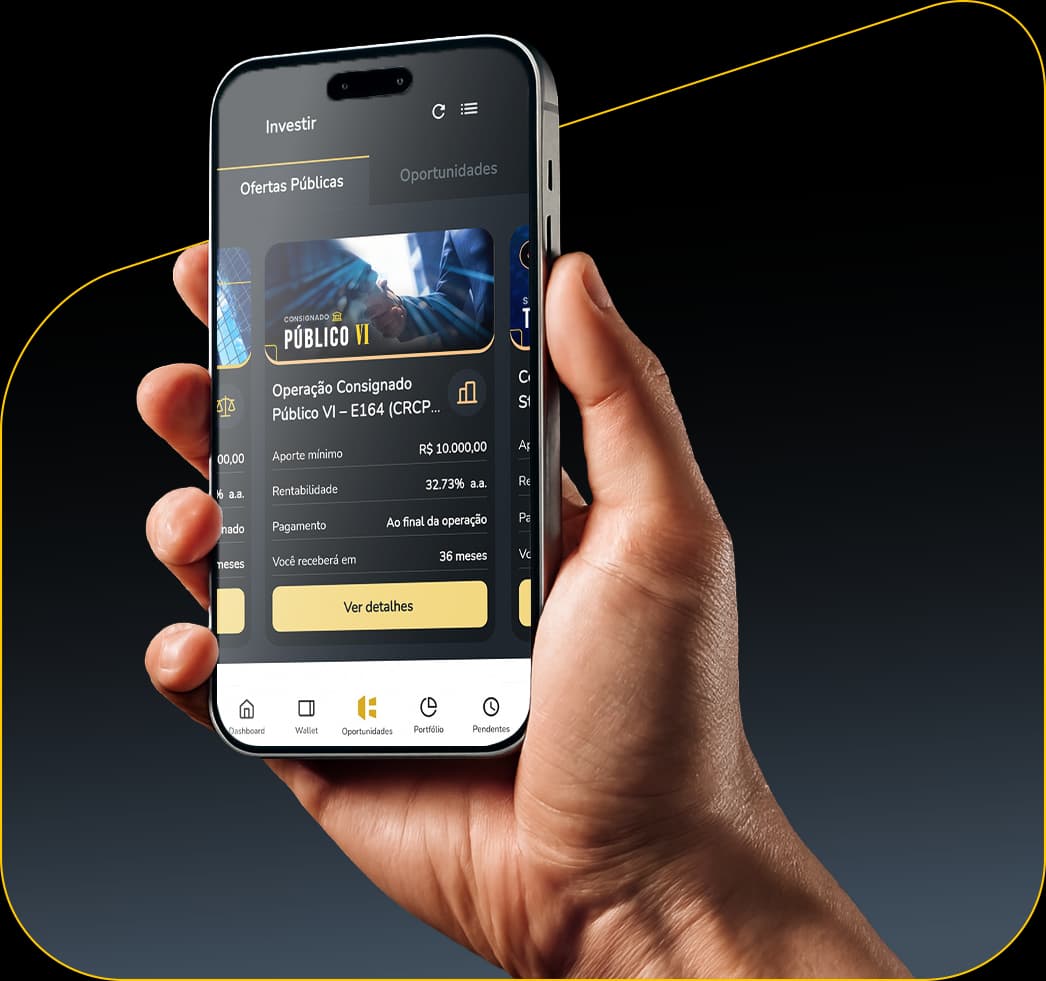
Acompanhe seus investimentos em tempo real, acesse documentos e relatórios, e faça novas aplicações direto pelo aplicativo da Hurst Capital.
Baixe nosso App agora mesmo